

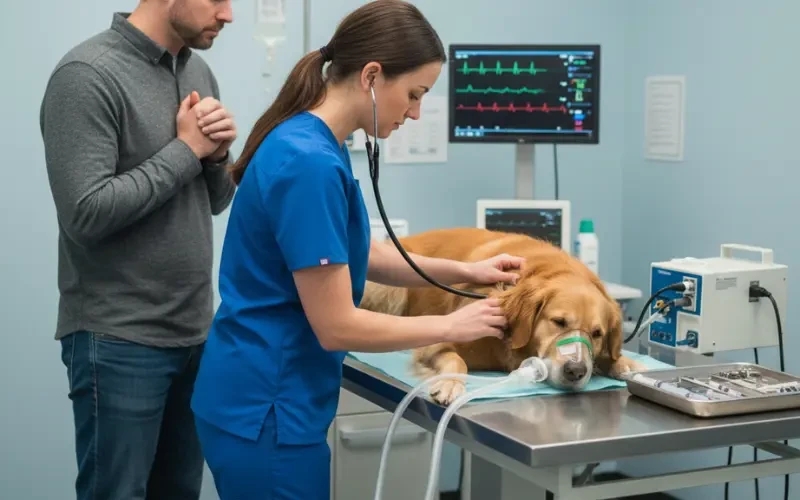
Pets bring joy, companionship, and unconditional love into our lives. But when a health emergency happens, it can be frightening and overwhelming for pet owners. Unlike humans, pets cannot explain how they feel, which makes recognizing warning signs extremely important. Acting quickly can make a huge difference in protecting your pet’s health and even saving their life.
At Intercity Animal Emergency Clinic in Vancouver, experienced veterinary professionals provide urgent care, advanced diagnostics, and critical treatment for pets facing medical emergencies. Their team is equipped to stabilize pets quickly and provide life-saving care when every second counts.
Understanding the early signs of an emergency helps pet parents take fast action and ensure their furry companions receive the care they need.
1. Difficulty Breathing
Breathing problems are one of the most serious warning signs in pets. If your dog or cat is struggling to breathe, making choking sounds, or breathing rapidly, immediate veterinary attention is necessary.
Possible causes include:
- Allergic reactions
- Heart problems
- Lung disease
- Foreign objects blocking the airway
- Trauma or injury
Signs to watch for include open-mouth breathing, excessive panting, wheezing, or blue-colored gums. These symptoms indicate that your pet may not be receiving enough oxygen, which requires emergency treatment.
2. Sudden Collapse or Extreme Weakness
If your pet suddenly collapses or cannot stand, this is always a medical emergency.
Common causes may include:
- Heart conditions
- Internal bleeding
- Poisoning
- Severe dehydration
- Heatstroke
Even if your pet appears to recover quickly, you should still seek veterinary care immediately. Sudden weakness can indicate a serious internal issue that requires urgent diagnosis.
3. Severe Vomiting or Diarrhea
Occasional stomach upset may not always be serious. However, frequent vomiting or diarrhea, especially when accompanied by blood, lethargy, or dehydration, can be dangerous.
Possible causes include:
- Food poisoning
- Intestinal blockage
- Viral or bacterial infections
- Parasites
- Toxin ingestion
Persistent vomiting and diarrhea can quickly lead to dehydration, especially in puppies, kittens, and senior pets.
4. Trauma or Serious Injury
Pets can suffer injuries from accidents, falls, or fights with other animals. Even if the injury appears minor, internal damage may still be present.
Common traumatic injuries include:
- Broken bones
- Internal bleeding
- Head injuries
- Deep wounds
- Bite injuries
Emergency veterinary clinics use advanced diagnostic tools like digital X-rays and ultrasound imaging to evaluate injuries and determine the best treatment plan.
Prompt medical attention improves recovery chances and reduces complications.
5. Seizures
A seizure occurs when abnormal electrical activity in the brain causes uncontrolled movements or behaviors.
During a seizure, your pet may:
- Shake or convulse
- Lose consciousness
- Drool excessively
- Paddle their legs
- Lose control of bladder or bowels
If your pet experiences a seizure lasting longer than two minutes or has multiple seizures in a short time, immediate veterinary care is required.
6. Ingestion of Toxic Substances
Pets are naturally curious and sometimes ingest harmful substances.
Some common household toxins include:
- Chocolate
- Grapes or raisins
- Cleaning chemicals
- Certain plants
- Human medications
Signs of poisoning may include vomiting, tremors, drooling, seizures, or sudden lethargy. Immediate treatment greatly improves the chances of recovery.
7. Difficulty Urinating or Complete Blockage
Difficulty urinating, especially in male cats, can be life-threatening. A urinary blockage can quickly lead to kidney failure if not treated right away.
Symptoms may include:
- Straining to urinate
- Frequent attempts with little output
- Crying in pain
- Blood in urine
- Lethargy or vomiting
Urinary blockages require emergency treatment to relieve the obstruction and restore normal bladder function.
Why Emergency Veterinary Care Matters
Pet emergencies can escalate quickly. Having access to a 24/7 veterinary emergency clinic ensures that pets receive immediate care regardless of the time of day.
Emergency clinics are equipped with:
- Advanced diagnostic tools
- In-house laboratories
- Surgical facilities
- Critical care units
- Experienced veterinary teams
These resources allow veterinarians to stabilize pets quickly and begin life-saving treatment without delay.
How Pet Owners Can Prepare for Emergencies
While emergencies cannot always be prevented, preparation can make a big difference.
Here are a few helpful tips:
Keep Emergency Contact Information Handy
Save your emergency veterinarian’s phone number and location so you can act quickly.
Create a Pet Emergency Kit
Include items such as:
- First aid supplies
- Copies of medical records
- Medications
- A pet carrier or leash
Monitor Your Pet’s Behavior
Changes in behavior often signal health problems. Early detection can help prevent serious complications.
Final Thoughts
Recognizing the warning signs of a pet emergency can save precious time and protect your pet’s health. If you notice symptoms such as breathing difficulties, seizures, trauma, or severe illness, seeking veterinary care immediately is the safest decision.
At Intercity Animal Emergency Clinic, pet owners in Vancouver can rely on a compassionate and highly skilled veterinary team dedicated to providing urgent care when pets need it most.
Your pet is family, and when emergencies happen, fast action and expert care can make all the difference.