

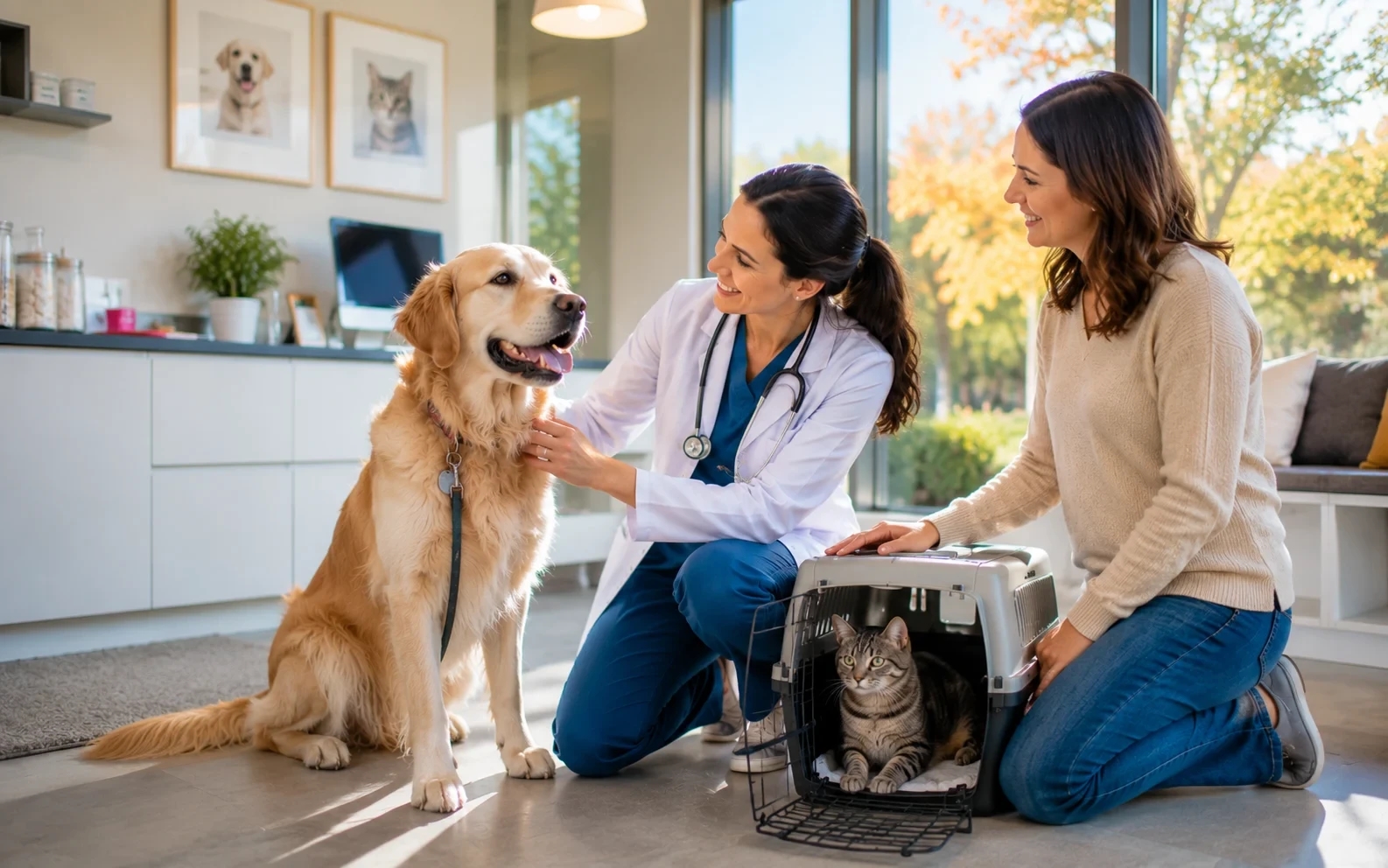
As summer comes to an end, many families begin preparing for a new school year, busier work schedules, and changing daily routines. While these seasonal transitions are exciting for people, they can be confusing and stressful for pets.
Dogs that enjoyed constant companionship throughout the summer may suddenly find themselves spending long hours alone, while cats often notice even subtle household routine changes.
At the same time, late summer is an important period for preventive healthcare, including wellness examinations and parasite protection before cooler weather arrives.
The combination of emotional and physical health challenges makes this season one of the most important times of the year for proactive pet care.
By understanding how routine changes affect your pets and scheduling timely veterinary visits, you can help both dogs and cats enter fall feeling healthy, comfortable, and confident.
Whether you have an energetic puppy, a senior dog, an adventurous outdoor cat, or a quiet indoor companion, a little preparation now can prevent many common health and behavioral problems later in the season.
Why Seasonal Changes Affect Pets More Than Many Owners Realize
Unlike humans, pets don't understand why their daily schedules suddenly change. Dogs don't know why children disappear every morning after spending weeks together during summer vacation. Cats don't understand why the house becomes quieter during the day or why family members return home later than usual.
Instead, they simply notice changes in:
- Daily feeding schedules
- Walk times
- Play sessions
- Household activity
- Noise levels
- Sleeping arrangements
- Visitor frequency
- Owner availability
These changes can influence both emotional wellbeing and physical health.
For some pets, the transition is smooth. Others may experience stress, anxiety, digestive upset, or behavioral changes that gradually become more serious if left unaddressed.
Recognizing these changes early gives pet owners the opportunity to intervene before problems develop into emergencies.
Helping Dogs Cope with Back-to-School Separation Anxiety
One of the most common behavioral issues veterinarians see during late summer is separation anxiety in dogs.
Throughout the summer, many dogs become accustomed to constant interaction with children, family vacations, longer walks, and increased playtime. When everyone suddenly returns to work and school, dogs often experience an unexpected loss of companionship.
This emotional adjustment can be difficult, particularly for puppies, rescue dogs, seniors, and breeds known for forming strong attachments with their families.
Common Signs of Separation Anxiety
Every dog responds differently, but several warning signs appear frequently.
Watch for:
- Excessive barking after family members leave
- Whining or pacing
- Scratching doors or windows
- Destructive chewing
- Indoor accidents despite previous house training
- Drooling excessively
- Loss of appetite
- Restlessness before departures
- Attempts to escape confined spaces
- Increased clinginess when owners are home
Some dogs display only mild anxiety, while others develop severe panic responses that can result in injuries or significant property damage.
Why Early Intervention Matters
Many owners hope their dog will "get used to it" after a few weeks.
Unfortunately, untreated separation anxiety often worsens over time.
Repeated episodes of intense stress increase cortisol levels, reduce overall wellbeing, and may contribute to digestive issues, weakened immune function, and chronic behavioral disorders.
Early management helps dogs build confidence while preventing anxiety from becoming deeply established.
Practical Ways to Reduce Separation Anxiety
Preparing your dog before school begins can significantly reduce stress.
Helpful strategies include:
Gradually Practice Being Apart
Instead of suddenly leaving your dog alone for several hours, begin with short departures.
Leave the house for five or ten minutes, gradually increasing the time over several weeks.
This teaches your dog that departures are temporary and that you always return.
Maintain Predictable Routines
Dogs thrive on consistency.
Try to keep feeding, walks, bathroom breaks, and bedtime on a regular schedule, even as family routines become busier.
Predictability helps reduce uncertainty.
Increase Morning Exercise
A tired dog is generally more relaxed.
Before leaving for work or school, provide:
- Longer walks
- Fetch sessions
- Puzzle games
- Basic obedience practice
- Sniffing activities
Physical and mental exercise can significantly reduce anxiety throughout the day.
Create a Comfortable, Safe Space
Provide a quiet area where your dog feels secure.
Include:
- Favorite bedding
- Familiar toys
- Fresh water
- Food puzzles
- Safe chew toys
Many dogs relax more easily when they have a designated comfort zone.
Avoid Making Departures Emotional
Lengthy goodbyes often increase anxiety.
Instead, leave calmly and return home without creating excessive excitement.
This helps departures become a normal part of everyday life.
Don't Ignore Physical Symptoms
Sometimes what appears to be anxiety may actually be caused by underlying medical problems.
Pain, arthritis, digestive disorders, urinary tract disease, hormonal conditions, or neurological issues can all contribute to behavioral changes.
If your dog suddenly develops anxiety or destructive behaviors without an obvious explanation, a comprehensive veterinary examination is recommended before assuming the problem is purely behavioral.
Cats Experience Routine Changes Too
Cats are often viewed as independent animals, but they are actually highly sensitive to environmental consistency.
While dogs may express anxiety through barking or destructive behavior, cats usually show much subtler signs of stress.
When children return to school or household schedules shift, cats frequently notice changes immediately.
Many feline behavioral concerns begin with seemingly minor disruptions that gradually become more noticeable over several weeks.
Signs Your Cat Is Struggling with Household Changes
Watch for behaviors such as:
- Hiding more often
- Reduced social interaction
- Appetite changes
- Excessive grooming
- Increased vocalization
- Sleeping in unusual locations
- Litter box accidents
- Aggression toward family members or other pets
- Reduced playfulness
Because cats naturally hide discomfort, these signs are sometimes overlooked until stress becomes significant.
Helping Cats Feel Secure During Family Transitions
Fortunately, small adjustments can make a significant difference.
Maintain regular feeding times whenever possible.
Keep litter boxes clean and in quiet locations.
Avoid moving furniture or food bowls unnecessarily during the transition.
Provide vertical climbing areas and quiet resting spaces where your cat can retreat without interruption.
Interactive play sessions using feather toys or laser toys can also help reduce stress while providing valuable mental stimulation.
Even spending ten to fifteen minutes of focused interaction each day helps many cats adjust more comfortably to seasonal routine changes.
End-of-Summer Checkups: Why Every Dog Should Visit the Veterinarian Before Fall
As families settle into new routines, late summer is also the ideal time to schedule a wellness examination for your dog. Even if your pet appears healthy, annual or semi-annual checkups help identify medical concerns before they become more serious.
The warmer months often involve increased outdoor adventures, hiking, camping, swimming, and trips to parks. These activities are wonderful for dogs, but they also increase exposure to parasites, injuries, allergies, and infectious diseases.
A thorough veterinary examination before autumn provides peace of mind and helps ensure your dog is ready for the changing season.
What Your Veterinarian May Assess During a Late-Summer Checkup
A comprehensive wellness exam typically includes evaluating your dog's:
- Overall body condition and weight
- Heart and lung function
- Skin and coat health
- Eyes and ears
- Oral health and teeth
- Joint mobility
- Muscle condition
- Lymph nodes
- Abdomen for any abnormalities
- Hydration status
Depending on your dog's age, breed, and lifestyle, your veterinarian may also recommend diagnostic testing, blood work, or other preventive screenings.
These routine evaluations often detect health concerns long before obvious symptoms appear, making treatment more effective and less stressful.
Seasonal Health Concerns Dogs May Face
Late summer presents several health risks that pet owners should keep in mind.
Heat-Related Recovery
Although temperatures begin to cool, many dogs are still recovering from weeks of summer heat.
Some pets may have experienced mild dehydration, overheating, or reduced activity during hot weather.
A veterinary examination helps confirm they are recovering well before entering a more active fall season.
Allergies
Environmental allergens remain active throughout late summer.
Dogs may develop:
- Itchy skin
- Ear infections
- Paw licking
- Redness
- Hair loss
- Hot spots
Early treatment can prevent these issues from worsening.
Joint Health
Cooler temperatures often reveal underlying arthritis or joint discomfort that was less noticeable during summer.
Older dogs, larger breeds, and highly active pets benefit from joint evaluations before fall activities increase.
Parasite Patrol: Why Late Summer Worming Is Essential for Cats
While many owners associate parasites with spring, late summer is actually another important period for parasite prevention.
Cats continue to encounter intestinal parasites through:
- Hunting rodents
- Catching birds
- Contact with contaminated soil
- Fleas
- Shared outdoor environments
- Contact with infected animals
Even indoor cats are not completely protected, as parasite eggs can enter homes on shoes, clothing, or through flea infestations.
Routine parasite prevention remains one of the simplest ways to protect your cat's long-term health.
Common Intestinal Worms Found in Cats
Several parasites commonly affect cats.
These include:
- Roundworms
- Hookworms
- Tapeworms
- Whipworms (less common)
- Lungworms in certain environments
Some parasites can also pose health risks to people, making regular veterinary care important for the entire household.
Signs Your Cat May Have Intestinal Parasites
Parasite infections don't always cause immediate symptoms.
However, owners should watch for:
- Weight loss
- Poor coat quality
- Vomiting
- Diarrhea
- Increased appetite
- Pot-bellied appearance in kittens
- Scooting
- Worm segments near the tail
- Lethargy
Some cats remain outwardly healthy while still carrying parasites.
Routine veterinary examinations and fecal testing remain the most reliable way to detect infections early.
Why Preventive Deworming Matters
Waiting until symptoms appear isn't always the safest approach.
Preventive parasite control helps:
- Reduce intestinal damage
- Improve nutrient absorption
- Support healthy growth
- Protect immune function
- Reduce environmental contamination
- Lower transmission risks to other pets
Your veterinarian can recommend an appropriate deworming schedule based on your cat's lifestyle, age, and individual risk factors.
When Routine Changes Become Medical Emergencies
Although most pets adapt well with time and proper care, some situations require immediate veterinary attention.
Seek emergency care if your dog or cat experiences:
- Difficulty breathing
- Persistent vomiting or diarrhea
- Collapse or fainting
- Seizures
- Severe lethargy
- Refusal to eat for an extended period
- Suspected toxin ingestion
- Significant injuries
- Continuous crying from pain
- Difficulty urinating
- Abdominal swelling
- Heavy bleeding
Prompt medical treatment can make a critical difference and may prevent life-threatening complications.
Supporting Your Pet Throughout the Fall Transition
The move from summer into autumn doesn't have to be stressful.
A few simple habits can make the adjustment easier for both dogs and cats:
- Maintain consistent daily routines.
- Schedule preventive wellness examinations.
- Keep parasite prevention up to date.
- Provide regular mental enrichment and exercise.
- Monitor changes in appetite or behaviour.
- Ensure fresh water is always available.
- Introduce schedule changes gradually whenever possible.
- Contact your veterinarian if unusual symptoms develop.
Preventive care is always easier than treating advanced illness.
A Healthy Transition Starts with Preparation
Back-to-school season brings exciting changes for families, but it also introduces new emotional and physical challenges for pets. Dogs may struggle with spending more time alone, while cats often react quietly to changes in household routines. At the same time, seasonal health risks such as allergies, parasites, and hidden medical conditions deserve attention before autumn arrives.
By recognizing behavioural changes early, maintaining consistent routines, scheduling preventive wellness exams, and staying current with parasite prevention, pet owners can help their companions enjoy a smoother transition into the new season.
If your pet develops severe anxiety, persistent behavioural changes, signs of illness, or any sudden medical emergency, don't wait to seek professional care. Early intervention often leads to faster recovery and better long-term health outcomes.
Whether your companion needs a routine wellness assessment, diagnostic evaluation, or urgent medical treatment, the experienced veterinary team at Intercity Animal Emergency Clinic is committed to providing compassionate, high-quality care when your pet needs it most. Helping pets stay healthy through every season is one of the best ways to ensure many happy years together.