

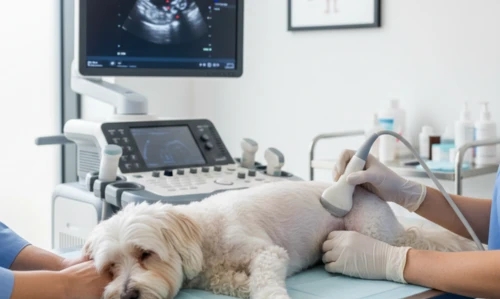
Veterinary medicine has evolved significantly over the years, offering advanced diagnostic tools and treatment options that improve outcomes for pets. Today, modern veterinary clinics are equipped with cutting-edge technology and specialized expertise to handle complex medical conditions with precision and care.
The Importance of Early and Accurate Diagnosis
Accurate diagnosis is the foundation of effective treatment. When a pet shows signs of illness or distress, identifying the underlying cause quickly is crucial.
Advanced diagnostic tools such as radiology, ultrasound, and laboratory testing allow veterinarians to detect conditions that may not be visible during a physical examination. These tools provide detailed insights into internal structures and functions, enabling timely and accurate treatment decisions.
Comprehensive Veterinary Services Under One Roof
Modern veterinary clinics offer a wide range of services to address different health needs.
These include:
- Emergency care
- Surgical procedures
- Diagnostic imaging
- Critical care and monitoring
- Orthopedic treatments
- Blood transfusions
Having all these services available in one facility ensures that pets receive seamless and coordinated care without delays.
Critical Care: Supporting Pets in Life-Threatening Conditions
Critical care units are essential for pets experiencing severe illness or trauma. These units provide continuous monitoring and specialized support, including oxygen therapy, fluid management, and advanced life-support systems.
The goal of critical care is to stabilize the pet and support vital functions while the underlying condition is treated.
The Role of Veterinary Surgery
Surgery plays a vital role in treating many conditions, from injuries to chronic illnesses. Advanced surgical techniques and modern equipment allow veterinarians to perform complex procedures with greater precision and safety.
Pain management is also a key component of surgical care, ensuring that pets remain comfortable during recovery.
Personalized Treatment Plans for Better Outcomes
Every pet is unique, and their treatment should reflect their individual needs. Veterinary teams create personalized care plans based on factors such as age, breed, medical history, and current condition.
This tailored approach improves recovery rates and ensures that each pet receives the most appropriate care.
Post-Treatment Care and Recovery
Recovery is just as important as treatment. After a procedure or emergency intervention, pets require careful monitoring and follow-up care.
This may include:
- Medication management
- Dietary adjustments
- Physical rehabilitation
- Regular checkups
Proper aftercare helps prevent complications and ensures a smoother recovery process.
The Importance of Preventive Care
While advanced treatments are essential, prevention remains the best approach to maintaining your pet’s health. Regular veterinary checkups, vaccinations, and early screenings can help detect potential issues before they become serious.
Preventive care not only improves your pet’s quality of life but also reduces the need for emergency interventions.
Building Trust with Your Veterinary Team
A strong relationship with your veterinary team is crucial. Trust and open communication ensure that you feel confident in the care your pet receives.
Veterinarians and support staff work together to provide guidance, answer questions, and support pet owners throughout the treatment journey.
Conclusion
Advanced veterinary care combines technology, expertise, and compassion to deliver the best possible outcomes for pets. From accurate diagnosis to personalized treatment and recovery support, modern veterinary services play a vital role in keeping pets healthy and happy.
By choosing a clinic that offers comprehensive care, pet owners can ensure their beloved companions receive the highest standard of medical attention at every stage of life.