

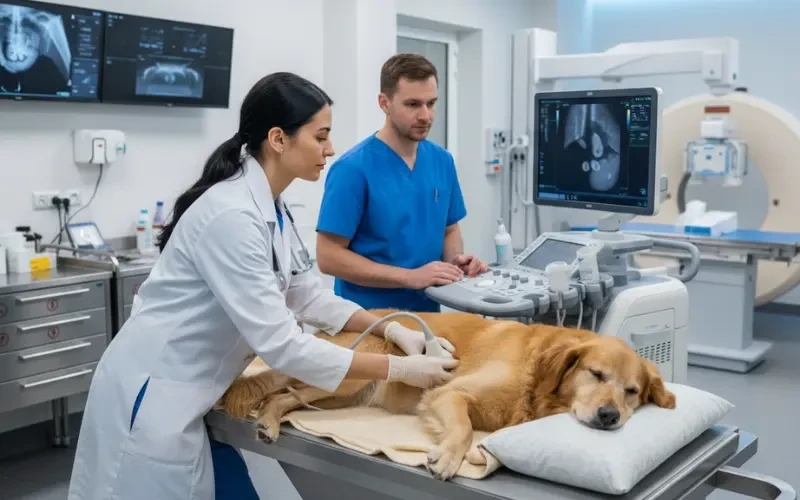
Pets cannot tell us when something feels wrong. That is why veterinary diagnostics play a critical role in detecting illnesses early and providing effective treatment. With modern veterinary technology, many health conditions can be diagnosed quickly and accurately before they become life-threatening.
Veterinary emergency and specialty clinics now offer advanced tools such as digital imaging, in-house laboratories, and minimally invasive procedures that allow veterinarians to better understand what is happening inside your pet’s body.
At Intercity Animal Emergency Clinic in Vancouver, these diagnostic technologies help veterinarians evaluate emergencies, identify underlying diseases, and develop the most effective treatment plans for pets.
Why Early Diagnosis Matters
Early diagnosis is one of the most important factors in successful treatment.
When diseases are detected early:
- Treatment is often simpler and less expensive
- Recovery chances increase significantly
- Complications can be prevented
- Pets experience less pain and discomfort
Conditions such as internal injuries, infections, organ disease, and tumors can progress quickly if left untreated. Veterinary diagnostics allow doctors to identify these problems early and begin treatment immediately.
Common Diagnostic Tools Used in Veterinary Medicine
Modern veterinary hospitals use a wide range of diagnostic techniques to examine pets and uncover health issues.
1. Digital X-Rays
Digital radiography provides detailed images of bones and internal organs.
Veterinarians often use X-rays to diagnose:
- Broken bones
- Lung disease
- Heart enlargement
- Foreign objects in the stomach
- Tumors or masses
Digital imaging produces results quickly, which is especially important during emergencies.
2. Ultrasound Imaging
Ultrasound uses sound waves to create images of internal organs such as the liver, kidneys, heart, and bladder.
Ultrasound is commonly used to detect:
- Internal bleeding
- Organ abnormalities
- Tumors
- Pregnancy
- Heart conditions
Unlike X-rays, ultrasound allows veterinarians to see moving structures in real time, making it extremely valuable for diagnosing complex conditions.
3. In-House Laboratory Testing
In-house laboratory testing allows veterinarians to analyze blood, urine, and other samples quickly.
Common tests include:
- Blood chemistry panels
- Complete blood counts
- Urinalysis
- Infection screening
Rapid test results help veterinarians diagnose diseases quickly and begin treatment without delay.
4. Endoscopy
Endoscopy is a minimally invasive diagnostic procedure that allows veterinarians to examine internal organs using a small camera inserted into the body.
This procedure helps diagnose conditions affecting:
- The stomach
- The intestines
- The respiratory system
- The urinary tract
- The nasal passages
Endoscopy often eliminates the need for invasive surgery and allows veterinarians to collect tissue samples for further analysis.
5. Critical Care Monitoring
For pets experiencing severe illness or trauma, critical care monitoring allows veterinary teams to track vital signs such as heart rate, blood pressure, and oxygen levels continuously.
This constant monitoring helps veterinarians respond quickly if a pet’s condition changes and ensures the best possible care during recovery.
When Diagnostic Testing Is Needed
Veterinarians may recommend diagnostic testing if your pet shows symptoms such as:
- Persistent vomiting or diarrhea
- Difficulty breathing
- Sudden lethargy
- Unexplained weight loss
- Loss of appetite
- Behavioral changes
Even subtle symptoms can indicate serious underlying problems. Diagnostic testing helps veterinarians determine the exact cause and choose the most effective treatment.
The Role of Emergency Veterinary Clinics
Emergency veterinary hospitals play a vital role in diagnosing urgent medical conditions.
Unlike general clinics, emergency hospitals are equipped with:
- 24/7 veterinary teams
- Advanced diagnostic technology
- Emergency surgery capabilities
- Intensive care units
These resources allow emergency veterinarians to evaluate pets quickly and stabilize life-threatening conditions.
How Pet Owners Can Support Early Diagnosis
Pet owners play an important role in protecting their pet’s health.
Here are a few helpful steps:
Schedule Regular Checkups
Routine veterinary visits help detect health issues before they become serious.
Watch for Behavioral Changes
Changes in appetite, activity level, or bathroom habits often indicate illness.
Provide Preventive Care
Vaccinations, parasite prevention, and proper nutrition help maintain long-term health.
Seek Veterinary Care Quickly
If you notice unusual symptoms, early evaluation can prevent complications.
Conclusion
Advanced veterinary diagnostics have transformed the way veterinarians detect and treat illnesses in pets. Tools like digital imaging, ultrasound, laboratory testing, and endoscopy allow veterinarians to diagnose problems faster and provide targeted treatment.
At Intercity Animal Emergency Clinic, these technologies help veterinary professionals provide accurate diagnoses and life-saving care for pets when they need it most.
By combining modern diagnostics with compassionate veterinary expertise, pet owners can feel confident that their beloved companions are receiving the highest level of care possible.