

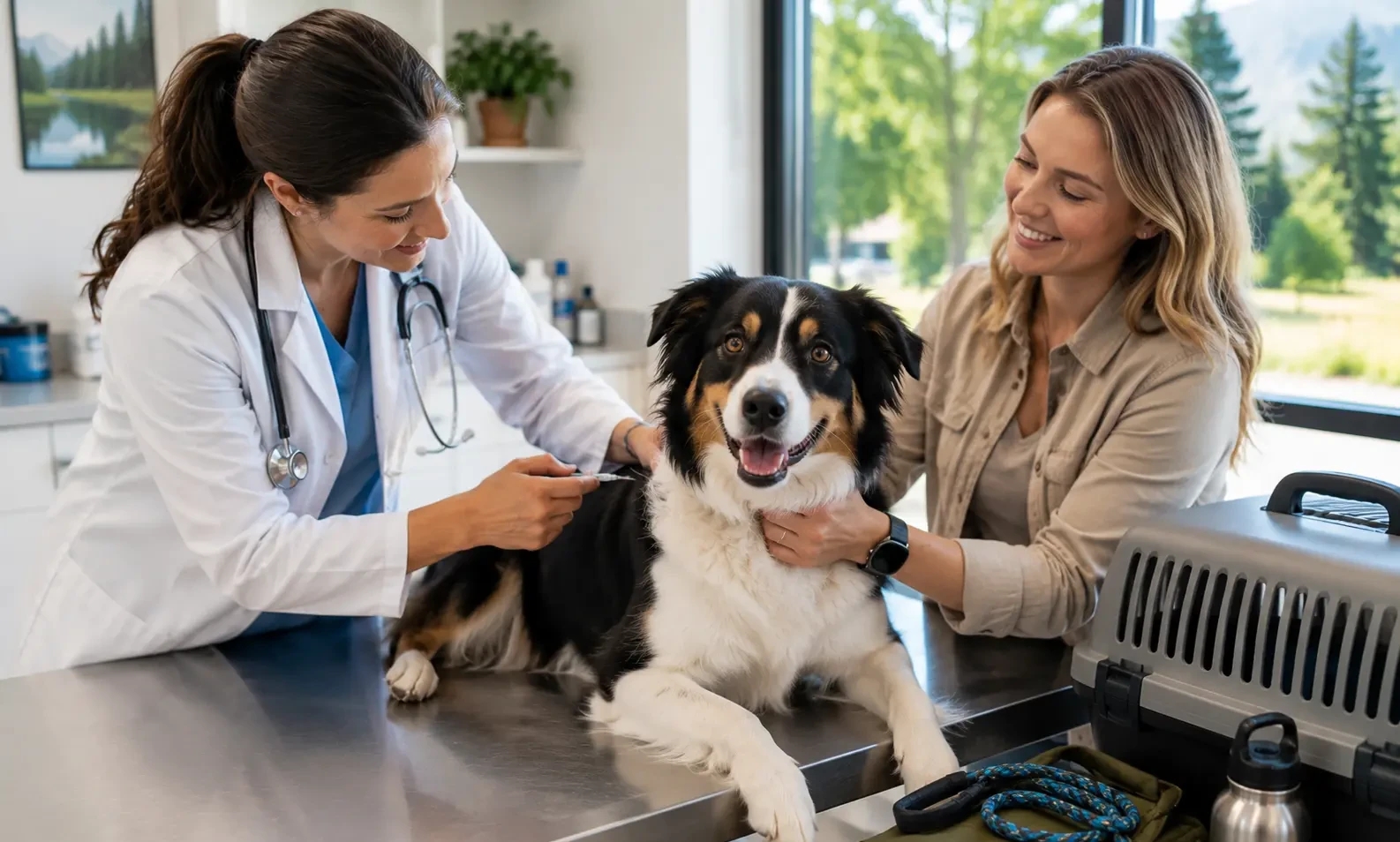
Summer is one of the busiest seasons for pet travel, outdoor adventures, family road trips, and social gatherings. Dogs spend more time exploring parks, hiking trails, beaches, campsites, boarding facilities, and dog-friendly events during the warmer months. While these activities can create wonderful memories, they can also increase exposure to contagious diseases and seasonal health risks.
Many pet owners become so focused on vacation planning that preventive healthcare gets pushed aside. Unfortunately, delaying your dog’s vaccine boosters before summer travel can leave them vulnerable at the exact moment they are encountering more animals, new environments, and unfamiliar pathogens.
Vaccinations are not just annual reminders on a calendar. They are an important part of protecting your dog’s immune system against illnesses that can spread rapidly in busy summer environments. Whether your dog is heading to a boarding kennel, traveling with your family, joining outdoor adventures, or simply spending more time around other pets, keeping vaccines up to date is essential.
Understanding why summer travel increases health risks can help pet owners make informed decisions and better protect their companions throughout the season.
Why Summer Creates Higher Health Risks for Dogs
Warm weather naturally leads to more social activity for both humans and pets. Dogs are more likely to interact with unfamiliar animals during summer outings, which increases the possibility of exposure to contagious illnesses.
Popular summer activities that can raise infection risk include:
- Boarding facilities and dog daycare
- Dog parks and public beaches
- Hiking trails and campsites
- Grooming appointments
- Training classes
- Pet-friendly hotels
- Family gatherings with other animals
- Community events and outdoor festivals
Even healthy dogs can encounter viruses and bacteria in shared water bowls, grassy areas, kennels, sidewalks, elevators, or enclosed indoor spaces. Some illnesses spread through direct contact, while others can travel through airborne respiratory droplets.
This increased exposure makes summer one of the most important times to review vaccination schedules with your veterinarian.
Core Vaccines Every Dog Should Stay Current On
Core vaccines are considered essential because they protect against serious and potentially life-threatening diseases. These vaccines are recommended for most dogs regardless of lifestyle.
Rabies Vaccine
Rabies is a fatal viral disease that affects the nervous system and can spread to humans and wildlife. Many travel destinations, boarding facilities, and provinces require proof of current rabies vaccination.
Summer travel often increases encounters with wildlife such as raccoons, bats, skunks, and foxes, especially during camping or hiking trips. Keeping rabies vaccines current is both a legal and medical necessity.
Distemper Vaccine
Canine distemper is a highly contagious viral disease that affects the respiratory, gastrointestinal, and nervous systems. It spreads through airborne exposure and direct contact.
Distemper can become especially dangerous in areas with heavy dog traffic or wildlife exposure. Puppies and unvaccinated dogs face the highest risk of severe complications.
Parvovirus Vaccine
Parvovirus is an aggressive virus that attacks the digestive system and can survive in the environment for long periods. Public spaces like parks and sidewalks may unknowingly carry contamination.
Dogs exposed to contaminated soil or feces can become infected quickly. Because summer activities often increase outdoor exposure, maintaining protection against parvovirus remains critical.
Adenovirus Vaccine
This vaccine helps protect dogs from infectious canine hepatitis, which affects the liver, kidneys, and other organs. Exposure can occur through contaminated surfaces, urine, or bodily fluids.
Combined vaccine boosters often include protection against adenovirus alongside distemper and parvovirus.
Non-Core Vaccines That Become Important During Summer Travel
While core vaccines are recommended for nearly all dogs, non-core vaccines depend on lifestyle, travel habits, and environmental exposure.
Summer travel often increases the importance of these additional protections.
Bordetella (Kennel Cough) Vaccine
Bordetella bronchiseptica is one of the leading causes of kennel cough, a contagious respiratory illness that spreads quickly where dogs gather.
Dogs may be exposed at:
- Boarding facilities
- Dog daycare
- Grooming salons
- Training classes
- Dog parks
- Veterinary waiting rooms
- Pet-friendly hotels
Symptoms may include coughing, sneezing, nasal discharge, lethargy, and reduced appetite. Although many dogs recover, severe cases can lead to pneumonia, especially in puppies or senior pets.
Many boarding facilities require proof of Bordetella vaccination before admission.
Canine Influenza Vaccine
Canine influenza, or dog flu, is another respiratory illness that spreads rapidly in social environments. Outbreaks can occur in kennels, daycare centers, shelters, and busy urban areas.
Symptoms may resemble kennel cough but can progress into more serious respiratory complications. Dogs who frequently interact with other pets may benefit from canine influenza vaccination before summer travel.
Leptospirosis Vaccine
Leptospirosis is a bacterial disease spread through contaminated water, soil, and wildlife urine. Summer hikes, camping trips, puddles, lakes, and outdoor recreation increase exposure risks.
This disease can affect both animals and humans and may cause kidney or liver failure in severe cases.
Dogs who spend time outdoors, near wildlife, or around standing water may benefit from leptospirosis vaccination.
Lyme Disease Vaccine
Ticks become more active during warmer months, increasing the risk of Lyme disease in certain regions. Dogs who hike, camp, or explore wooded areas may face greater exposure.
Vaccination may be recommended for dogs living in or traveling to tick-prone environments.
Why Timing Matters Before Travel
One of the biggest mistakes pet owners make is waiting until the last minute before vacation plans begin. Vaccines do not provide immediate protection after administration.
Many vaccines require time for the immune system to respond effectively. Some vaccines also require booster schedules or spacing between doses.
If your dog is entering a boarding facility, attending daycare, or traveling to another region, requirements may specify vaccination deadlines days or weeks before arrival.
Scheduling a veterinary visit well ahead of travel allows time to:
- Review vaccine status
- Update medical records
- Discuss destination-specific risks
- Address parasite prevention
- Evaluate overall health
- Manage travel anxiety concerns
- Prepare medications if needed
Planning early helps reduce stress for both pets and owners.
Puppies and Senior Dogs Need Extra Attention
Certain age groups face higher risks during summer travel and social exposure.
Puppies
Puppies have developing immune systems and may not yet have completed their full vaccine series. Public exposure before full protection can increase vulnerability to serious diseases like parvovirus and distemper.
Pet owners should discuss safe socialization timelines with their veterinarian before introducing puppies to high-traffic environments.
Senior Dogs
Older dogs may have weakened immune systems or chronic medical conditions that make infections harder to overcome.
A pre-travel wellness check can help identify underlying health concerns and ensure vaccines remain appropriate for your senior companion’s needs.
Vaccines Are Only One Part of Summer Protection
While vaccines are incredibly important, they work best when combined with broader preventive care strategies.
Additional summer health precautions include:
- Flea and tick prevention
- Heartworm prevention
- Hydration management
- Heatstroke prevention
- Safe travel practices
- Proper nutrition
- Avoiding overcrowded environments during outbreaks
- Monitoring for unusual symptoms after travel
Preventive care helps reduce avoidable emergencies during the busiest travel months.
Signs Your Dog May Need Veterinary Attention After Travel
Even vaccinated dogs can occasionally become ill. Monitoring your pet after summer outings or boarding stays can help identify problems early.
Watch for symptoms such as:
- Persistent coughing
- Sneezing
- Lethargy
- Vomiting
- Diarrhea
- Fever
- Loss of appetite
- Difficulty breathing
- Limping
- Skin irritation
- Sudden behavioral changes
Prompt veterinary evaluation can help diagnose concerns before they worsen.
Making Summer Travel Safer and Less Stressful
Traveling with pets can be enjoyable and rewarding when proper preparation happens in advance. Preventive healthcare plays a major role in helping dogs stay healthy during busy summer activities.
Keeping vaccines current supports your dog’s protection against contagious illnesses while reducing risks associated with boarding facilities, outdoor recreation, social interactions, and travel exposure.
Instead of waiting until the last minute, pet owners should treat summer preparation as part of responsible pet ownership. A proactive approach allows more time for safe adventures and fewer interruptions caused by preventable illness.
Your dog deserves to enjoy summer comfortably, safely, and confidently whether that means relaxing on a family road trip, hiking scenic trails, or simply spending more time outdoors with the people they love.