

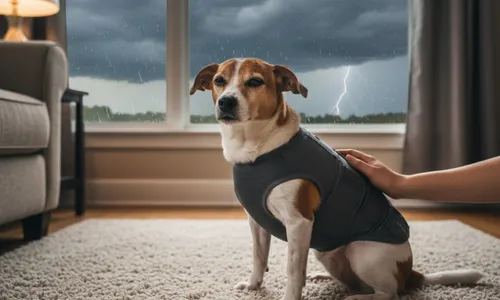
Anxiety is not just a human struggle — pets experience emotional distress too. Dogs and cats can develop anxiety from environmental changes, fear triggers, past trauma, or even genetics. Understanding what causes anxiety and how to manage it can dramatically improve your pet's quality of life.
What Causes Anxiety in Pets?
Common anxiety triggers include:
- Loud noises (fireworks, thunderstorms)
- New environments
- Separation from owners
- Other animals or strangers
- Changes in household routine
- Medical issues
- Boredom or lack of stimulation
Each pet's anxiety profile is unique, and identifying these triggers is the first step toward treatment.
Recognizing the Signs of Anxiety
Anxiety manifests in many ways. Pets may show:
Dogs:
- Pacing
- Panting
- Whining or barking
- Destructive chewing
- Digging
- Attempts to escape
- Clinginess or panic
Cats:
- Hiding
- Overgrooming
- Reduced appetite
- Aggression
- House-soiling
- Excessive vocalization
Subtle behavioral changes often indicate emotional discomfort and should not be ignored.
Calming Strategies for Dogs
1. Exercise & Routine
Dogs with excess energy are more prone to anxiety. Daily structured exercise reduces restlessness and promotes emotional stability.
2. Training & Desensitization
Gradual exposure to triggers, combined with positive reinforcement, helps many dogs overcome fears.
3. Comfort Tools
Items like anxiety wraps, chew toys, and soft bedding provide reassurance during stressful moments.
Calming Strategies for Cats
1. Environmental Enrichment
Cats thrive with vertical spaces, scratching posts, puzzle feeders, and quiet resting zones.
2. Pheromone Diffusers
Synthetic pheromones mimic a mother's natural calming scent and reduce stress in multi-cat households.
3. Predictable Routines
Cats feel most secure when feeding, play, and rest follow a consistent pattern.
When Anxiety Requires Veterinary Help
If anxiety becomes severe, persistent, or affects daily life, a veterinarian can:
- Rule out medical causes
- Recommend behavioral therapy
- Prescribe safe anti-anxiety medication
- Create a tailored behavior modification plan
Early intervention prevents anxiety from escalating into chronic behavioral problems.
Conclusion: Anxiety Is Manageable With the Right Support
Your pet depends on you for emotional security. With patience, structure, and proper veterinary guidance, anxious pets can regain confidence and enjoy happier lives.
If your pet is showing signs of anxiety, schedule an evaluation — early support makes a world of difference.