

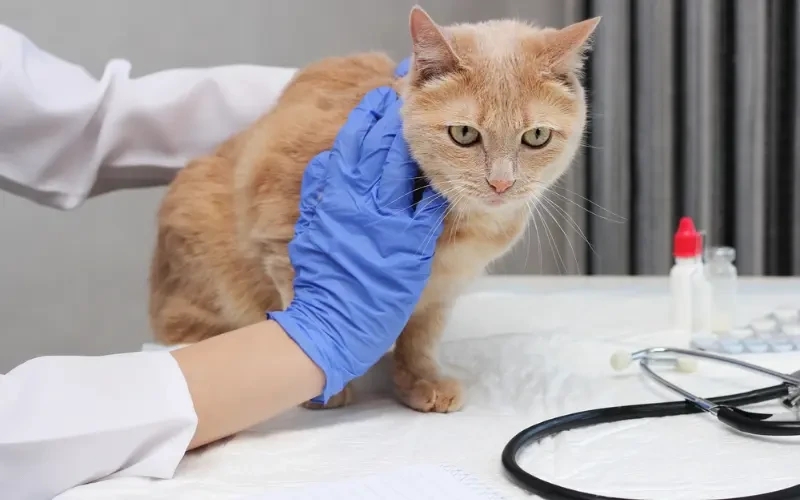
Pet emergencies are unpredictable. One moment, your pet is playful and active, and the next, they may be in distress due to injury, illness, or ingestion of something harmful. In such critical moments, immediate medical attention can mean the difference between life and death. That’s why having access to a trusted emergency veterinary clinic is essential for every pet owner.
What Is Emergency Veterinary Care?
Emergency veterinary care focuses on diagnosing and treating urgent and life-threatening conditions in pets. Unlike routine veterinary visits, emergency care is designed to respond quickly to critical situations such as trauma, poisoning, breathing difficulties, or sudden behavioral changes.
At a 24/7 emergency facility, experienced veterinarians and trained support staff are always available to handle urgent cases. These clinics are equipped with advanced tools and technology to provide rapid diagnosis and treatment, ensuring pets receive the care they need without delay.
Common Pet Emergencies You Should Never Ignore
Recognizing the signs of an emergency is the first step in protecting your pet’s health.
Some of the most common situations that require immediate veterinary attention include:
- Difficulty breathing or choking
- Persistent vomiting or diarrhea
- Seizures or collapse
- Severe bleeding or trauma
- Ingestion of toxic substances
- Sudden weakness or inability to stand
Even if symptoms appear mild, they can escalate quickly. Immediate action is always the safest choice.
Why 24/7 Availability Matters
Emergencies rarely happen during convenient hours. Pets can become ill or injured late at night, early in the morning, or during holidays. A 24/7 emergency veterinary clinic ensures that help is always available when you need it most.
Round-the-clock care means your pet can receive immediate attention, reducing the risk of complications. It also provides peace of mind to pet owners, knowing that professional help is always within reach.
Advanced Diagnostics for Faster Treatment
Modern emergency veterinary clinics use advanced diagnostic tools to quickly identify the root cause of a problem.
These may include:
- Digital X-rays
- Ultrasound imaging
- Laboratory testing
- Endoscopy procedures
These technologies allow veterinarians to make accurate diagnoses in a short amount of time, leading to faster and more effective treatment plans.
Critical Care and Monitoring
In severe cases, pets may require intensive monitoring and support. Critical care units are designed to provide continuous observation and life-saving interventions. These facilities are equipped with advanced monitoring systems that track vital signs and ensure immediate response if a pet’s condition changes.
Continuous monitoring is especially important after surgery, trauma, or severe illness, as it allows veterinarians to adjust treatment plans in real time.
Emergency Surgery: Acting Without Delay
Some emergencies require immediate surgical intervention. Whether it’s removing a foreign object, treating internal injuries, or addressing life-threatening conditions, emergency surgery can save lives.
Experienced veterinary teams are trained to perform these procedures efficiently while prioritizing the safety and comfort of the pet.
How Pet Owners Can Prepare for Emergencies
Preparation can make a significant difference during an emergency.
Here are a few steps every pet owner should take:
- Keep emergency contact numbers readily available
- Know the location of the nearest 24/7 veterinary clinic
- Maintain updated medical records for your pet
- Observe your pet’s normal behavior to detect changes quickly
Being prepared allows you to act quickly and confidently when your pet needs help.
The Role of Compassionate Care
Emergency situations can be stressful for both pets and their owners. Compassionate care plays a vital role in helping families navigate these challenging moments. Veterinary teams not only focus on medical treatment but also provide emotional support and clear communication to pet owners.
Conclusion
Pet emergencies can happen at any time, but being prepared and knowing where to go can make all the difference. With access to 24/7 emergency veterinary care, advanced diagnostics, and experienced professionals, pet owners can ensure their furry companions receive the best possible treatment when it matters most.