

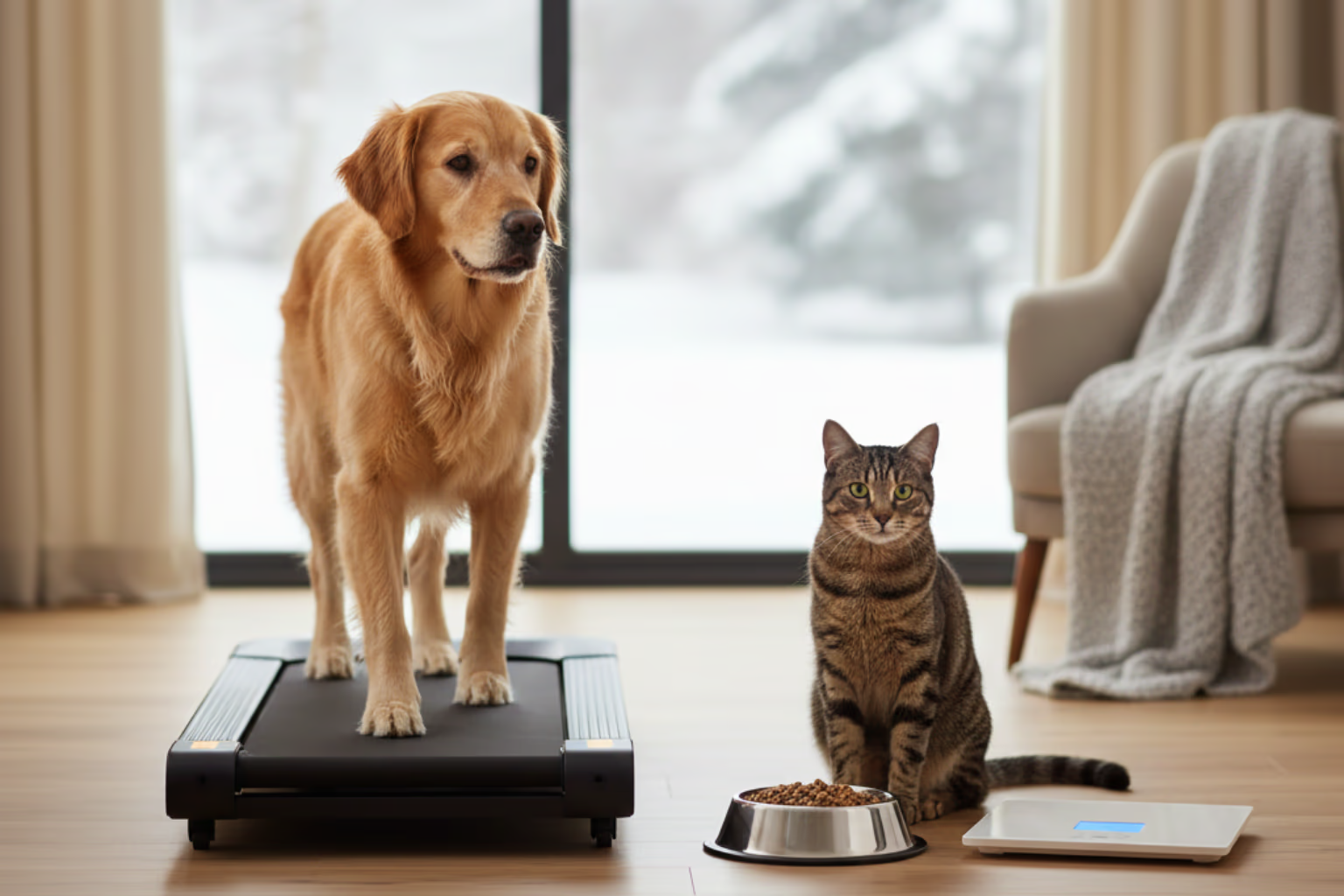
Winter often feels like a slower, quieter season. Shorter days, colder temperatures, and fewer outdoor activities naturally change daily routines for both people and pets. While these seasonal shifts can be comforting, they also bring a common and often overlooked health concern for pets: winter weight gain.
Extra weight gained during winter months can quietly impact a pet's long-term health, mobility, and overall quality of life. Understanding why weight gain happens during colder seasons—and how to prevent it—can help pet owners protect their pets well beyond winter.
Why Pets Are More Likely to Gain Weight in Winter
Several winter-specific factors combine to increase the risk of weight gain:
Reduced activity levels
Cold, wet weather and limited daylight often mean fewer walks and shorter play sessions. Dogs may spend more time indoors, while cats may sleep more and move less. Even a modest decrease in daily activity can significantly affect calorie balance.
Unchanged or increased food intake
Many pets continue eating the same portions they did during warmer months. In some households, food intake increases due to extra treats, holiday snacks, or table scraps. When calories increase while activity decreases, weight gain becomes likely.
Disrupted routines
Holidays, travel, visitors, and schedule changes can disrupt feeding and exercise routines. Pets may receive extra treats from guests or experience less structured activity during this time.
Age and metabolism changes
Senior pets are particularly vulnerable. As metabolism slows with age, fewer calories are needed, yet appetite often remains unchanged. Without portion adjustments, weight gain can happen quickly.
Why Extra Weight Is a Serious Health Concern
Weight gain is not just a cosmetic issue. Even small increases in body fat can place added strain on a pet's body. Excess weight has been linked to:
- Arthritis and joint degeneration
- Increased risk of diabetes, especially in cats
- Heart and respiratory stress
- Decreased stamina and endurance
- Shortened lifespan
For pets with pre-existing orthopedic or metabolic conditions, winter weight gain can accelerate disease progression and worsen discomfort.
Signs Your Pet May Be Gaining Weight
Weight gain often occurs gradually and can be difficult to notice. Some early signs include:
- Difficulty feeling ribs beneath a thin layer of fat
- Loss of a visible waist when viewed from above
- Slower movement or reluctance to exercise
- Heavy breathing after mild activity
- Difficulty grooming, particularly in cats
A veterinary assessment is the most reliable way to determine whether weight gain is occurring and whether intervention is needed.
Nutrition Strategies for Winter Wellness
Measure meals carefully
Using a measuring cup or scale helps prevent accidental overfeeding. Small overages can add up over weeks and months.
Limit treats intentionally
Treats should account for no more than 10% of daily caloric intake. Consider low-calorie alternatives or using part of regular meals as treats.
Avoid table food
Human food is often high in fat and salt and can contribute quickly to unhealthy weight gain.
Ask about diet adjustments
Veterinary professionals can recommend portion changes or specialized diets when weight loss or weight control is needed.
Keeping Pets Active Indoors During Winter
Exercise is still essential during winter—it just requires creativity.
For dogs:
- Take shorter but more frequent walks during warmer daylight hours
- Use indoor games such as fetch, hide-and-seek, or training exercises
- Engage in mental enrichment through obedience or puzzle toys
For cats:
- Rotate toys to maintain interest
- Schedule short, frequent play sessions
- Use climbing structures or food puzzles to encourage movement
Mental stimulation plays an important role in maintaining physical health during colder months.
The Value of Preventive Veterinary Care
Winter is an ideal time to schedule wellness evaluations. These visits allow veterinary teams to:
- Track weight and body condition
- Identify early signs of joint or metabolic disease
- Adjust nutrition and activity plans
- Develop personalized, sustainable weight-management strategies
At Intercity Animal Emergency Clinic, preventive care focuses on early intervention and long-term health support, helping pets avoid complications before they become emergencies.
Building Healthier Habits for the Year Ahead
Preventing winter weight gain does not require extreme changes. Small, consistent adjustments to diet, activity, and routine can have lasting benefits.
By staying proactive during winter months, pet owners can help ensure their pets enter spring healthier, more mobile, and better prepared for an active year ahead.