

Share this newsletter:
View All Newsletters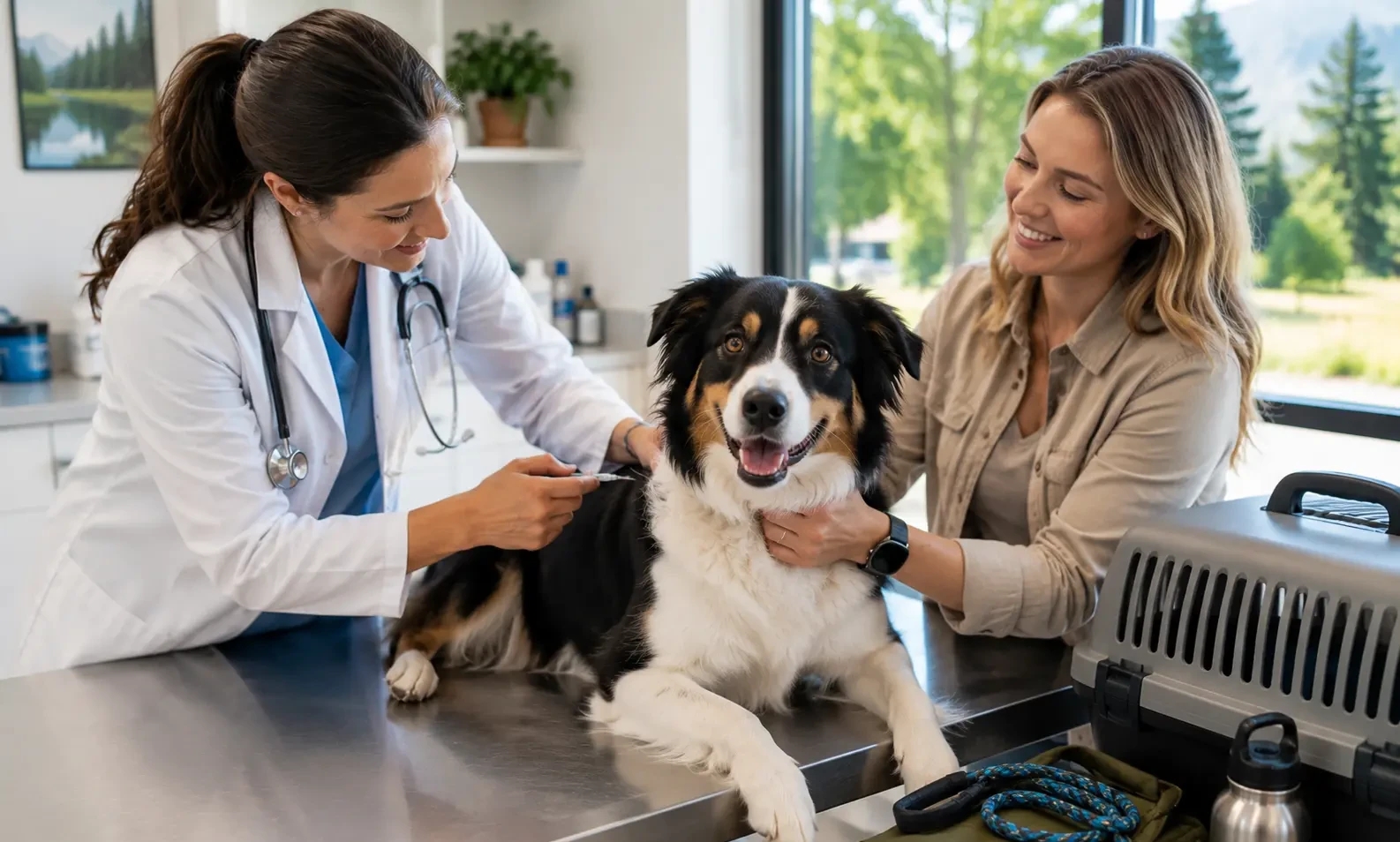
Newsletter May-2026
Keep Summer Fun Safe with Timely Dog Vaccinations
Summer is one of the most exciting times of the year for dog owners. Families plan vacations, road trips, beach days, hiking adventures, camping weekends, and outdoor gatherings while enjoying the warmer weather. Dogs often become part of these seasonal experiences, joining their owners on travels and spending more time outdoors than during any other season.
While summer creates wonderful opportunities for bonding and adventure, it also increases exposure to contagious illnesses, parasites, environmental hazards, and unfamiliar animals. Unfortunately, many pet owners become so focused on vacation planning that important preventive healthcare appointments, especially vaccine boosters are delayed until after travel season.
Postponing vaccinations may leave dogs vulnerable at the exact time they are encountering higher-risk environments. At Intercity Animal Emergency Clinic, preventive care remains an important part of helping pets stay healthy and protected during busy summer months.
Why Summer Travel Increases Health Risks for Dogs
During summer, dogs are naturally exposed to more social settings and public environments. Whether they are staying at a boarding facility, visiting dog parks, attending daycare, joining family trips, or exploring hiking trails, increased activity creates more opportunities for disease transmission.
Common summer environments that may increase exposure include:
- Boarding kennels
- Dog daycare facilities
- Grooming salons
- Public parks and beaches
- Hiking trails and campsites
- Pet-friendly hotels
- Outdoor festivals and events
- Shared pet spaces and water stations
Even healthy dogs can encounter viruses or bacteria through direct contact with other animals, airborne respiratory droplets, contaminated surfaces, or shared environments.
Summer also increases exposure to wildlife and insects, which may raise the risk of additional infectious diseases and parasite-related concerns.
Why Vaccine Boosters Matter Before Vacation Plans Begin
Vaccines help strengthen your dog’s immune system against contagious diseases that may spread rapidly in busy environments. Booster vaccinations are especially important because immunity can decrease over time.
One of the most common misconceptions among pet owners is assuming vaccines can simply wait until after vacation season ends. However, many vaccines require time to stimulate effective immune protection. Last-minute vaccination appointments may not provide full coverage before travel or boarding begins.
Scheduling veterinary visits ahead of summer activities gives pet owners time to:
- Review vaccine records
- Update overdue boosters
- Discuss destination-specific risks
- Assess overall health and wellness
- Plan parasite prevention
- Address travel concerns
- Prepare for boarding requirements
Early preparation helps reduce avoidable medical emergencies and creates a safer experience for pets throughout the season.
Important Vaccines for Summer Dog Protection
Rabies Vaccine
Rabies remains one of the most serious viral diseases affecting animals and humans. Summer travel often increases encounters with wildlife such as raccoons, bats, foxes, or skunks during outdoor adventures and camping trips.
Maintaining current rabies vaccination is essential for both legal compliance and pet safety.
Distemper-Parvovirus Combination Vaccines
Distemper and parvovirus are highly contagious diseases that can spread through contaminated environments or infected animals.
Parvovirus can survive for extended periods in parks, sidewalks, trails, grassy areas, and other public spaces frequently visited during summer.
Keeping booster vaccines current helps support protection against these serious illnesses.
Bordetella (Kennel Cough) Vaccine
Kennel cough spreads easily in locations where dogs gather together closely.
Exposure commonly occurs in:
- Boarding facilities
- Daycare centers
- Grooming salons
- Dog parks
- Veterinary waiting rooms
- Training classes
Many boarding facilities require proof of Bordetella vaccination before accepting dogs for stays.
Leptospirosis Vaccine
Leptospirosis is a bacterial disease associated with contaminated water, wildlife urine, and damp outdoor environments.
Dogs participating in hiking, camping, swimming, or outdoor exploration may face increased exposure risks during warmer months.
Your veterinarian can help determine whether this vaccine is appropriate based on your dog’s lifestyle and travel habits.
Boarding Facilities Often Have Strict Requirements
Many pet boarding centers and daycare facilities require updated vaccine records before admission. Waiting until the last moment to schedule appointments may create unnecessary complications if boosters are overdue.
Some facilities also require vaccines to be administered several days before arrival to allow adequate immune response time.
Preparing early helps avoid:
- Boarding delays
- Last-minute scheduling stress
- Incomplete medical records
- Reduced vaccine effectiveness before travel
- Increased disease exposure
Keeping both printed and digital vaccine records accessible can simplify travel and boarding arrangements.
Puppies and Senior Dogs Need Extra Attention
Certain dogs may require additional care and monitoring during summer travel season.
Puppies
Puppies often have developing immune systems and may still be completing their vaccine schedules. Public exposure before full vaccine protection increases vulnerability to contagious diseases.
Owners should discuss safe socialization and travel timelines with their veterinarian before exposing young puppies to high-traffic environments.
Senior Dogs
Older dogs may have underlying medical conditions or weakened immune responses that make infections more difficult to overcome.
A pre-travel wellness visit can help identify concerns early and ensure older pets remain healthy enough for planned activities.
Vaccines Are Only Part of Summer Protection
Preventive healthcare extends beyond vaccinations alone.
Summer wellness planning should also include:
- Flea and tick prevention
- Heartworm prevention
- Hydration support
- Heatstroke prevention
- Travel safety planning
- Routine wellness examinations
- Proper nutrition and exercise
- Updated identification tags and microchips
Outdoor activities increase exposure to parasites, overheating, injuries, and environmental hazards. Combining vaccines with comprehensive preventive care helps reduce avoidable emergencies.
Signs Your Dog May Need Veterinary Attention After Travel
Even vaccinated dogs should be monitored carefully after boarding stays, travel, or social outings.
Pet owners should contact a veterinarian if they notice:
- Persistent coughing
- Sneezing
- Vomiting or diarrhea
- Fever
- Lethargy
- Appetite loss
- Difficulty breathing
- Limping
- Sudden behavioral changes
Early medical evaluation may help identify illness before symptoms become more severe.
Make Summer Adventures Safer for Your Dog
Summer should be filled with enjoyable experiences, not unexpected medical emergencies. Preparing your dog before travel season begins can make outdoor adventures safer and less stressful for both pets and owners.
Staying current on vaccine boosters helps support protection against contagious illness while allowing dogs to participate more safely in boarding stays, vacations, camping trips, social activities, and outdoor recreation.
Preventive care is one of the most important ways pet owners can support their dog’s long-term health and well-being. By planning ahead and scheduling veterinary visits early, families can focus more on creating memorable summer experiences and less on avoidable health concerns.
For emergency veterinary care and urgent medical support, Intercity Animal Emergency Clinic provides compassionate emergency services for pets and families throughout the Vancouver area.
Intercity Animal Emergency Clinic
Emergencies? We're here 24/7. Your pet is our priority. When an animal needs veterinarian treatment, we offer the best care possible. Our advanced facility provides everything necessary to guarantee that your pet receives the best treatment possible, whether in an emergency or just for routine checkups.