

Share this newsletter:
View All Newsletters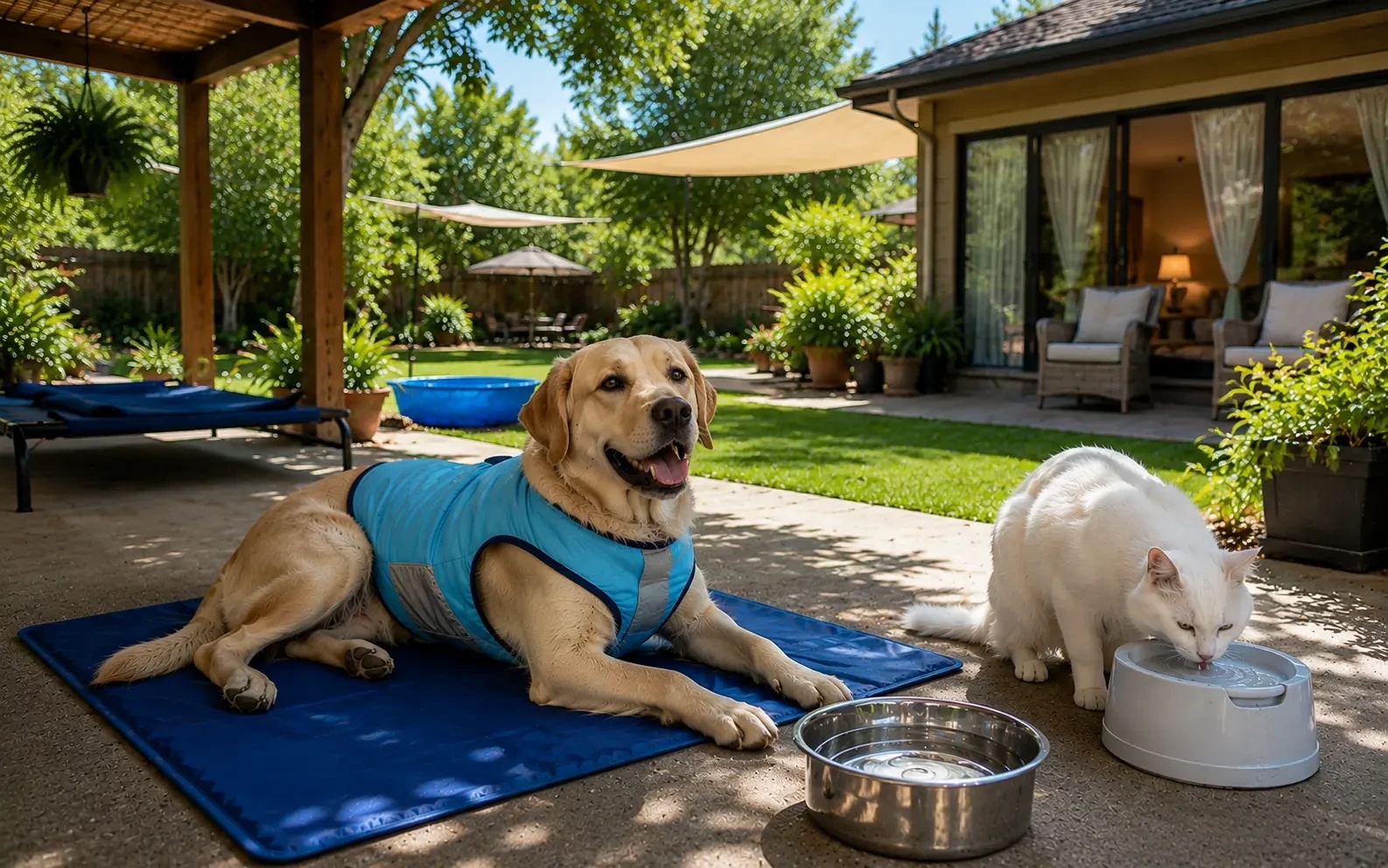
Newsletter June-2026
Summer Pet Safety Guide: Keeping Dogs and Cats Comfortable, Calm, and Protected
Summer is a wonderful time to enjoy longer days, outdoor adventures, and family gatherings with our pets. However, warmer temperatures, increased sun exposure, and seasonal celebrations can also introduce health risks for dogs and cats.
From heat-related emergencies and dehydration to fireworks anxiety and sunburn, pet owners should take proactive steps to keep their companions safe throughout the season.
At Vancouver Animal Emergency & Referral Centre, we often see an increase in preventable summer emergencies. Understanding a few simple safety strategies can help your pets stay comfortable and healthy all season long.
Beat the Heat: Cooling Solutions for Dogs
Dogs are particularly vulnerable to overheating because they do not sweat efficiently like humans. Instead, they rely primarily on panting to regulate body temperature. During periods of extreme heat, this cooling mechanism may not be enough.
One increasingly popular option for active dogs is a cooling vest. These lightweight garments use evaporative cooling technology to help lower body temperature during walks, hikes, and outdoor activities.
Cooling vests can be especially beneficial for senior dogs, brachycephalic breeds (such as Bulldogs and Pugs), and dogs with thick coats.
Additional ways to help your dog stay cool include:
- Walk during early morning or late evening hours.
- Provide access to shaded outdoor areas.
- Keep fresh water available at all times.
- Use cooling mats or elevated pet beds indoors.
- Avoid hot pavement that can burn paw pads.
- Never leave a pet unattended in a parked vehicle.
Signs of heat exhaustion may include excessive panting, drooling, weakness, vomiting, disorientation, or collapse. If you notice these symptoms, move your pet to a cool
environment immediately and seek veterinary care.
Cat Hydration Heroes: Encouraging Better Water Intake
Cats naturally have a low thirst drive, making them more susceptible to dehydration during warmer months. Even mild dehydration can contribute to urinary tract issues and other health concerns.
Fortunately, there are several creative ways to encourage cats to drink more water.
Try these hydration-friendly strategies:
- Offer multiple water stations throughout the home.
- Use pet water fountains, which many cats find more appealing than still water.
- Add water or low-sodium broth to wet food.
- Place water bowls away from litter boxes.
- Experiment with different bowl materials and sizes.
- Include moisture-rich canned food as part of the diet.
Watch for signs of dehydration such as lethargy, dry gums, reduced appetite, or decreased skin elasticity. If your cat appears unwell or refuses to drink, veterinary evaluation is recommended.
Preparing for Fireworks Season
While fireworks are exciting for people, they can be frightening for many dogs. Sudden loud noises, flashing lights, and unfamiliar activity may trigger significant anxiety.
July celebrations often lead to an increase in lost pets and emergency visits related to fear-based behaviors. Planning ahead can help reduce your dog's stress.
Helpful calming strategies include:
- Create a quiet indoor safe space before fireworks begin.
- Close windows, curtains, and blinds to reduce noise and visual stimulation.
- Play calming music or white noise.
- Provide favorite toys or comfort items.
- Exercise your dog earlier in the day to encourage relaxation later.
- Ensure identification tags and microchip information are current.
Some pets may benefit from anxiety wraps, calming supplements, or prescription medications. If your dog has a history of severe fireworks anxiety, discuss options with your veterinarian before the holiday arrives.
Sunscreen for Pets: Protecting Sensitive Skin
Many pet owners are surprised to learn that dogs and cats can experience sunburn. Light-coated pets, white-furred animals, and pets with thin hair coverage are especially vulnerable to ultraviolet (UV) damage.
Areas commonly affected include:
- Nose
- Ear tips
- Eyelids
- Belly
- Areas with sparse fur
Repeated sun exposure may increase the risk of skin irritation and long-term skin damage.
To help protect your pet:
- Limit outdoor activity during peak sunlight hours.
- Provide shaded areas when outdoors.
- Use veterinarian-approved pet sunscreen on exposed skin.
- Consider UV-protective clothing for sensitive pets.
- Monitor skin for redness, irritation, or unusual changes.
Never use human sunscreen products unless specifically recommended by your veterinarian, as some ingredients can be toxic to pets.
A Safe and Happy Summer for Every Pet
Summer offers countless opportunities to make memories with our pets, but safety should always come first. Whether you are helping your dog stay cool, encouraging your cat to drink more water, preparing for fireworks season, or protecting light-coated pets from the sun, small preventive measures can make a significant difference.
By staying attentive to your pet's needs and recognizing early warning signs of distress, you can help ensure a safe and enjoyable summer for the entire family.
If your pet experiences heat-related illness, severe anxiety, dehydration, or any other urgent medical concern, the team at Vancouver Animal Emergency & Referral Centre is here to help provide compassionate emergency and specialty care when it matters most.
Intercity Animal Emergency Clinic
Emergencies? We're here 24/7. Your pet is our priority. When an animal needs veterinarian treatment, we offer the best care possible. Our advanced facility provides everything necessary to guarantee that your pet receives the best treatment possible, whether in an emergency or just for routine checkups.